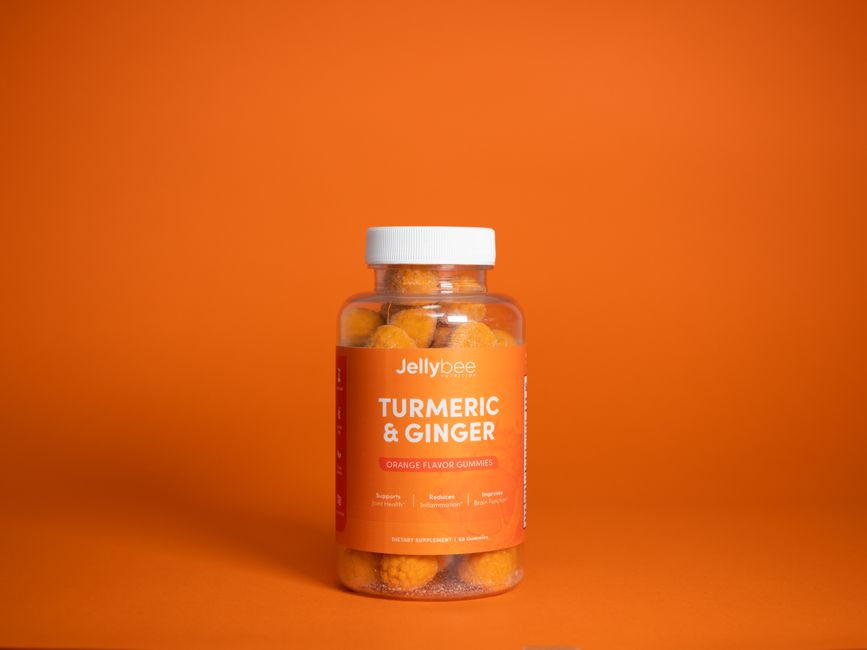
Is a Collagen Gummy Without Collagen Really a Thing?
Collagen supplements have taken the beauty and wellness world by storm, with collagen gummies becoming one of the most popular delivery formats. But here's a question that every savvy consumer should ask: can a collagen gummy contain no actual collagen? Spoiler: yes, it's possible — and knowing why involves understanding the realities of supplement manufacturing, dosing, and labeling.
Why Have Gummies Become the Default Supplement Format?
Gummies are tasty, visually appealing, and easy to consume, which makes them especially popular among adults who dislike swallowing pills and teens who want a candy-like experience without the sugar crash. Companies like Joy Organics have capitalized on this trend, delivering wellness in gummy form that fits seamlessly into daily routines.
From a manufacturing standpoint, gummies offer a versatile matrix to incorporate various nutrients. But despite their popularity, gummies come with several challenges — particularly for ingredients like collagen.
Gummy Manufacturing Realities: Dose Limits and Heat Stability
One of the biggest hurdles in producing collagen gummies is the dosing limit. Most studies that demonstrate collagen's skin and joint benefits use doses of 2.5 to 10 grams daily. That's grams, not milligrams. However, gummies typically have a serving size of about 2-3 gummies, and these chewy treats are limited by volume and texture considerations. It’s physically challenging to pack grams of collagen (which is a protein requiring a substantial amount of powder) into a few gummies without compromising taste or texture.
Moreover, the heat stability of collagen’s active peptides is a manufacturing concern. The gummy-making process involves heat, potentially degrading sensitive collagen peptides. This leads some brands to include collagen or its hydrolyzed peptides at very low amounts, or to replace or supplement them with ingredients that support natural collagen production, such as vitamin C.
The Vitamin C Factor
Vitamin C is a crucial cofactor in collagen synthesis, making it a common ingredient in collagen gummies. Some manufacturers lean heavily on vitamin C rather than collagen itself because it’s easier to dose accurately in gummy form and is heat-stable. This is why you’ll sometimes see products that emphasize "supports natural collagen production" on the front label — a phrase that should trigger a diligent ingredient label check on the back.
Decoding Collagen Dosing Reality: Grams vs Milligrams
Consumer confusion often arises from the milligram dosing on Supplement Facts panels. Clinical research backs collagen doses in grams, but many gummies disclose collagen content in mere milligrams — sometimes just 500 mg (0.5 grams) or less per serving. For reference, a 2.5-gram dose is five times that amount.
This discrepancy means that some collagen gummies might be underdosed to the point that they deliver no measurable benefit aside from the placebo effect. This is exacerbated when the collagen source or quantity is hidden in a proprietary blend — a pet peeve for labeling watchdogs and informed consumers alike.
Always flip the bottle to the Supplement Facts panel — a habit Joy Organics and others encourage — to verify the actual collagen amount and dosing.
Biotin Hype and Supplement Interference
Another common skin-health ingredient in collagen gummies is biotin, which is widely hyped for promoting hair and nail strength. However, true biotin deficiency is rare, and supplementing beyond recommended doses can interfere https://bizzmarkblog.com/why-does-the-article-say-gummies-are-basically-candy/ with certain lab tests, including thyroid and cardiac markers. This interference can lead to misdiagnosis or unnecessary alarm in clinical settings.
Consumers should be wary of collagen gummies with excessively high biotin content. The FDA has issued warnings about products with megadoses of biotin – sometimes thousands of micrograms per serving – that are not only unnecessary but potentially harmful in the context of lab testing.
Why Third-Party Testing and Batch-Specific Lab Reports Matter
Supplement regulation in the United States is loose compared to pharmaceuticals, so consumers rely on transparency and testing to trust product claims. The FDA oversees dietary supplements but does not approve them before marketing, making third-party testing crucial.
Certified organic labels like USDA Organic indicate certain farming and processing standards but do not guarantee potency or collagen content. This is where batch-specific lab reports come in.

Reputable brands provide access to independent, batch-specific lab reports that verify active ingredient content, absence of contaminants, and accurate potency. Unfortunately, many brands mention testing on their website or packaging but do not make batch-specific reports publicly available — a red flag for any ingredient truth-seeker.
Joy Organics, for example, is known for providing transparent third-party testing results, helping consumers verify exactly what’s in their bottles.
How to Shop Smart for Collagen Gummies
- Always check the back label: Look for the actual amount of collagen per serving. If it’s less than 2 grams, the benefit may be minimal.
- Don't rely on vague marketing claims: "Supports natural collagen production" can often mean vitamin C or other cofactors without real collagen.
- Beware proprietary blends: These often hide under-dosed or missing key ingredients.
- Look for third-party lab reports: Brands that publish batch-specific lab results prove their potency and purity.
- Check biotin levels: Avoid gummies with excessive biotin that can interfere with lab tests unless you have a true deficiency.
- Understand USDA Organic labeling: Organic certification indicates farming practices but not ingredient potency or dose.
Conclusion: Yes, Collagen Gummies Without Collagen Exist
In the booming collagen supplement market, gummies are a convenient and delicious delivery method but come with substantial formulation challenges. Consumers can indeed encounter collagen gummies that contain little or no actual collagen, relying instead on vitamin C or other ingredients that support natural collagen production.
With collagen dosing often short of clinical levels and manufacturing heat concerns, the best way to ensure you’re getting what you pay for is to flip the bottle, check the Supplement Facts panel, and demand transparency. Brands that how long to stop biotin provide batch-specific lab reports and submit to third-party testing demonstrate commitment to quality – something every supplement buyer deserves.
So, while a collagen gummy with no collagen is more than “a thing,” it’s a reminder to shop smart, scrutinize labels, and look beyond marketing buzzwords.